The Blog on collaborative robot palletizer
Flexible Industrial Automation with Modular Robot Workstations
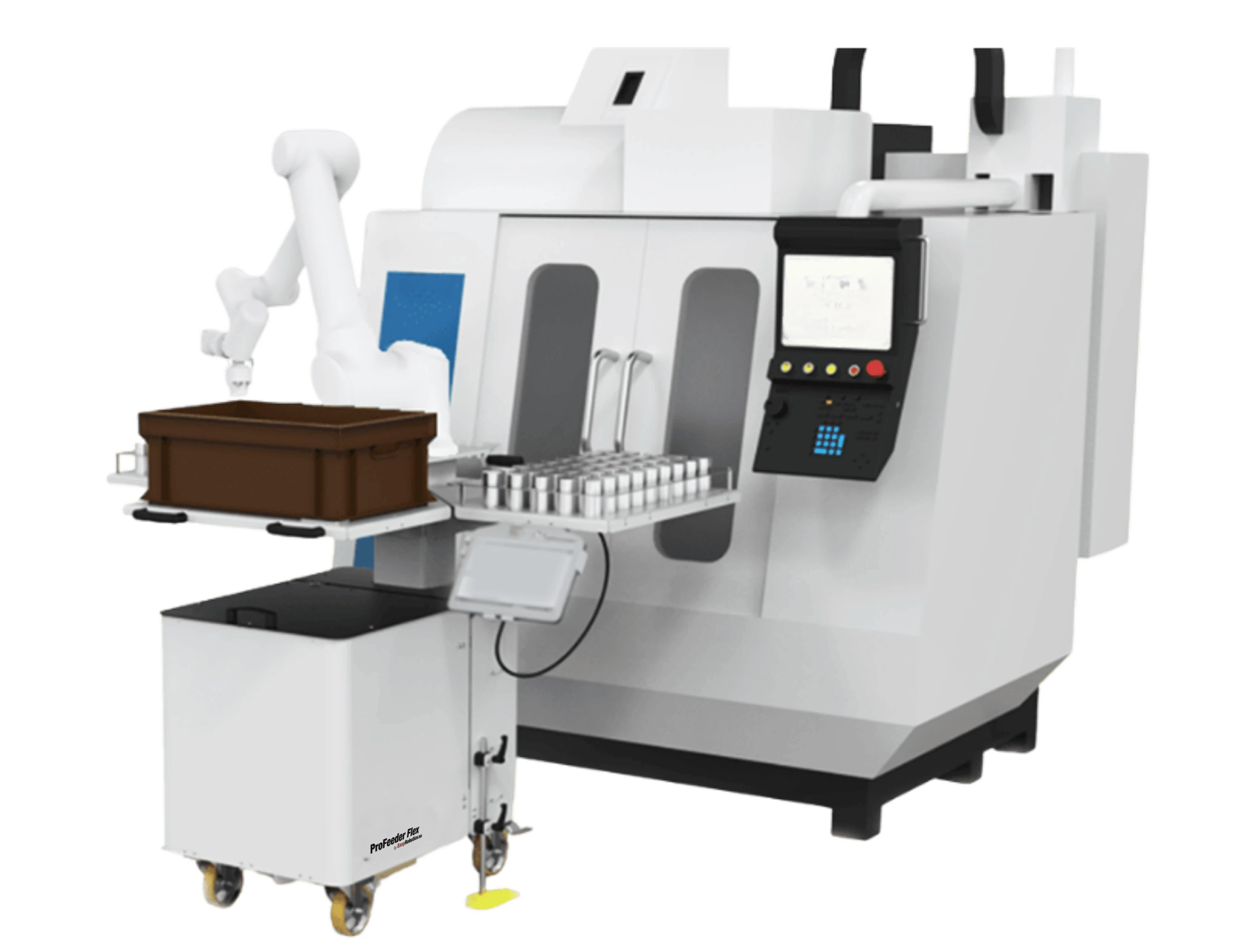
Contemporary production environments increasingly require automated systems that can adapt to evolving production requirements without adding unnecessary complications. Modular Robot Workstation Systems create a flexible base for manufacturers aiming to automate repeatable processes such as loading machines, unloading finished parts, stacking products onto pallets and assisting material-handling processes. Instead of designing every robotic cell from the ground up, modular systems can integrate structural components, robot mounting systems, safety features and production equipment within a customisable workstation. Applications such as CNC machine tending and automated palletising can particularly benefit from this approach because manufacturers typically seek reliable automation while preserving the option to adjust production layouts. From a compact robot mounting pedestal to a comprehensive robotic machine-tending system, modular automation can support businesses in building scalable manufacturing environments designed around both current requirements and future expansion.
Why Modular Robot Workstations Are Growing in Manufacturing
Conventional automation projects can demand considerable engineering work, custom fabrication and extended installation processes. Modular Robot Workstations offer an alternative approach by using adaptable components that can be arranged around a defined production operation. Manufacturers can specify suitable structural elements, robot mounting locations, robotic tooling and support equipment according to the physical dimensions and needs of their operation.
This level of adaptability can be highly beneficial for businesses with fluctuating production requirements or several product types. A workstation originally configured for one task may be simpler to reconfigure when equipment, tooling or manufacturing needs change.
Consistent structural elements can also streamline the robotic cell planning process. Engineers can focus on how the robot operates alongside equipment, products and personnel instead of creating each supporting element separately. The result can be a better-organised automation project with clearly defined functional areas.
CNC Machine Tending for Repeatable Production
Automated CNC machine tending is among the most widely used applications for industrial robots and cobots. The process typically involves picking an unprocessed component, loading it into machining equipment, waiting for the machining cycle to finish and unloading the finished component.
A robot for machine tending can perform these movements repeatedly and consistently across repeated manufacturing cycles. This can reduce the amount of time operators spend carrying out repetitive loading and unloading tasks while giving experienced employees the opportunity to focus on quality checks, machine setup, maintenance and other production duties.
Effective CNC machine tending requires proper evaluation of part positioning, robotic reach, gripper choice, access to the machine and production cycle timing. The workstation must enable the robot to operate efficiently between component supply areas and the machine while preserving sufficient clearance from nearby machinery.
Automated machine tending can be particularly valuable where a machining process continues for lengthy production periods or depends on repetitive movement of similar parts.
Creating a Robotic Machine Tending System
A fully integrated robotic machine tending system involves considerably more than simply placing a robot beside a machine. The automation cell must integrate several components that work together reliably.
The robot requires a stable installation point, appropriate end-of-arm tooling and clearly defined pickup and placement locations. Components may be delivered through trays, fixtures, conveyors, shelving or other structured storage arrangements. Finished parts also require an designated area after machining.
Communication between robotic and production equipment is another important consideration. The system may be required to verify when a machine door is open, when a component has been inserted properly and when a machining cycle has finished.
A carefully planned workstation combines these functions in a compact arrangement, helping minimise unnecessary movement while retaining practical access for maintenance and production adjustments.
Why a Robot Pedestal Is Important
A robotic pedestal offers a stable mounting base for positioning an industrial or collaborative robot at the correct operating height. Proper positioning is important because the robot must be able to access every required area without going beyond its effective working range.
Robot pedestal height can determine how efficiently a robot moves between machines, pallets, conveyors and production fixtures. A robot installed too low or at excessive distance from the operation may perform avoidable movements or may be unable to efficiently access certain positions.
Configurable pedestal designs can provide greater workstation configuration flexibility. Manufacturers can choose a suitable mounting arrangement based on robot size, payload, reach and application requirements.
A rigid pedestal also helps maintain consistent robot positioning, which is particularly important for highly repetitive processes where precise picking and placement contribute to reliable production.
Cobot Palletizer Workstation Uses
Product palletising is another repetitive process that can gain from automation. A cobot palletizer workstation can support manufacturers in handling boxes, containers and packaged products at the end of manufacturing or packaging lines.
The robot usually picks up products from a designated location and positions them on a pallet according to a defined pallet pattern. Different products may require different layouts depending on packaging dimensions, product weight and pallet configuration.
A cobot palletizer can be suitable for businesses seeking flexible automation around medium production volumes. Collaborative robots are commonly designed to support more straightforward installation and programming, although every application still calls for an proper safety evaluation based on robot movement, payload, tooling and surrounding equipment.
Modular palletising workstations can also make it easier to configure robot positioning, pallet areas and supporting structures within compact production areas.
Advantages of Automated Palletizing Systems
An robotic palletising system can support the reduction of repeated manual handling at the final stage of manufacturing and packaging operations. Palletising often involves employees repeatedly lifting, positioning and stacking products throughout a shift. Automating this process can improve consistency in pallet stacking while giving employees more time to concentrate on tasks that require judgement and oversight.
A automated robotic palletizer can perform programmed stacking patterns and maintain repeatable product placement across many production cycles. This consistency may improve pallet stability and make subsequent warehouse or transport handling easier.
Automated palletising can also be adapted for multiple packaging formats when the robot, gripper and workstation have been developed for flexibility. Manufacturers processing different carton sizes may set up separate operating recipes for specific production runs.
Flexibility of a Collaborative Robot Palletizer
A cobot palletizer can represent an effective automation option for manufacturers that seek a balance between productivity and adaptability. Instead of dedicating large amounts of floor space to fixed conventional equipment, businesses may use modular configurations that can be modified as packaging requirements evolve.
The effectiveness of the system depends on much more than simply choosing a robot. Product weight, stacking height, cycle rate and gripper performance all shape the overall workstation design. Pallet replacement procedures and operator access should also be included in the planning process.
When these elements are effectively integrated, collaborative palletising can form an efficient part of the end-of-line workflow while maintaining a relatively compact production footprint.
Integrating Vention Robots into Modular Automation
Vention robotic systems can be incorporated within wider modular automation approaches where manufacturers seek adaptable robotic systems for machine tending, handling or palletising processes. The primary benefit of a modular automated palletizing system approach is the capacity to combine robot positioning, modular framing, process equipment and supporting accessories around the needs of a particular application.
Manufacturers should consider payload capacity, robot reach, production speed, available space and tooling needs before finalising any robotic setup. The most suitable solution will depend on the specific manufacturing process rather than robot specifications in isolation.
Proper planning helps support the likelihood that the workstation provides efficient operating movement and retains adequate adaptability for future production adjustments.
Conclusion
Modular Robot Workstations offer manufacturers a practical approach to deploy flexible robotic automation across machining, material handling and packaging operations. A carefully planned robotic machine tending solution can handle repeatable CNC machine loading and unloading, while a robotic machine tending system can bring together part handling, machine communication and organised component placement into a single coordinated process. For packaging environments, a collaborative palletizer workstation, collaborative robotic palletizer or complete robotic palletising system can deliver consistent product stacking while decreasing repetitive lifting tasks. Components such as the robot mounting pedestal also perform an essential function by correctly positioning automation equipment within the workstation. By bringing together appropriate robots, modular structures, tooling and production planning, manufacturers can build robotic systems that enable efficient production while retaining adaptability to changing production requirements.